AI is changing the wellness funnel, not because it is about to replace Meta, Google, your website, CRM or organic content, but because it can now appear almost anywhere within the journey.
Someone might discover a longevity programme through a Meta campaign, connect with the outcome being presented and then ask ChatGPT whether the treatment actually works. Someone else might start with AI by asking, “What’s the best way to improve my metabolic health at 50?”, discover several possible solutions and then encounter one of those brands later through social, search, editorial or retargeting.
Another person may have followed a clinic for months and use AI as the final layer of validation before making an enquiry.
The important point is that AI no longer has a fixed position in the funnel, and for wellness and longevity brands that changes how we need to think about acquisition.
AI is changing the journey, not replacing it
There is understandably a huge focus right now on AI visibility. Can ChatGPT understand your brand? Will Gemini recommend you? Are you appearing when consumers ask questions that relate directly to your proposition?
All of that matters, but what happens immediately before and after the AI interaction can matter just as much.
Imagine someone sees a Meta campaign for a longevity programme. The creative connects with them, they recognise something in themselves and they can picture the outcome being presented, but this is not a pair of trainers they are considering buying. It is their health, their time, their money and potentially their future, so rather than booking immediately, they start researching.
They might ask whether the programme actually works, what evidence sits behind it, whether the clinic is reputable or how it compares with another option.
In that moment, the paid campaign has created the emotional interest and AI is helping provide the logical validation. If they then return to the brand, the question becomes simple: does what they find live up to the expectation that has already been created?
AI can set the expectation. Your ecosystem has to deliver it.
This is the part I think is being underestimated.
AI is not only helping people discover brands; it is also helping shape what they expect from them before they ever speak to someone from the business.
If an AI response positions a clinic as a leading destination for preventative health, someone can arrive at that brand with an expectation already established. The website has to reinforce it, the expertise has to support it, social needs to demonstrate it, reviews need to reassure and the creative should make the experience feel tangible.
CRM matters too, because there is little point creating a premium, credible experience at the top of the funnel only for the follow-up to feel generic and transactional.
AI might create or reinforce the expectation, but the wider acquisition ecosystem still has to prove it.
Wellness is not a normal purchase journey
This becomes even more important because the lifetime of a wellness lead can vary enormously.
Someone could research preventative health for six months without taking action, then suddenly experience a trigger that changes their mindset completely. It could be a blood result, a milestone birthday, a noticeable drop in energy, a family health event or simply the moment when their health becomes something they are ready to prioritise rather than think about later.
AI can sit alongside that journey at every stage.
At first, the question might be, “Why am I constantly tired?” Later it could become, “What does a longevity assessment include?” Eventually, the same person may be asking, “What’s the best longevity clinic for someone like me?”
It is the same person, but with a completely different mindset and level of intent.
That is why the goal should not simply be to appear in an AI answer. It is to understand where AI sits within the wider decision journey and how the rest of the ecosystem supports someone until they are ready to act.
The trigger may create the conversion, but the ecosystem has been creating the belief long before that moment.
Ultimately, you’re selling their future self
This is what makes wellness and longevity fundamentally different.
You are rarely just selling the blood test, diagnostic, consultation or seven-night programme. Those are the mechanisms behind something much bigger.
What someone is really buying is a version of themselves they want to become: more energetic, healthier, more confident, capable of performing better and able to spend more healthy years doing the things and being with the people that matter to them.
That requires both emotional and logical belief.
AI is incredibly powerful at helping consumers with the logical side. It can explain how something works, what the evidence says, how providers differ and what questions someone should be asking.
But important health decisions are not made through information alone. People also need to be able to picture themselves in the experience and believe that the outcome being presented could realistically become part of their own life.
The signals surrounding the brand matter
This is where semiotics becomes particularly relevant.
Before someone has understood every piece of science or read every word on a website, they are already interpreting signals from the brand. The environment, the people, the photography, the language, the clinical credentials, the patient stories and the balance between science and humanity are all telling them something about what to expect.
A doctor explaining a diagnostic result can create authority and reassurance, while someone in their 60s running along the coast can communicate vitality, possibility and the future self the consumer may want to become.
One creates logical belief and the other creates emotional belief. The strongest brands understand how those signals work together.
AI can explain your proposition, but your ecosystem still has to make someone feel it.
AI is becoming part of the acquisition ecosystem
At Vivify, we have been pushing clients to think beyond individual channels for some time, because Meta is not the funnel, Google is not the funnel, your website is not the funnel and AI is not going to become the funnel either.
They are interconnected parts of an acquisition ecosystem.
One person might move from Meta → AI → Website → Reviews → Enquiry, while another starts with AI → Website → Instagram → Retargeting → CRM → Enquiry. Someone else may move through Meta → Website → AI → Editorial → Reviews → Enquiry.
There is no single correct route, particularly when someone is making a meaningful decision about their health.
AI is simply making an already non-linear journey even more fluid.
So yes, wellness brands should absolutely be asking whether they are visible in AI, but they should also be asking what AI is saying about them, what expectation that creates and whether everything someone experiences afterwards supports it.
Because AI will increasingly influence how people research their health, compare their options and decide which brands deserve their trust. That does not make the wider acquisition ecosystem less important.
It makes it more important.
AI can inform the decision, accelerate the research and strengthen the logical belief behind a choice. But when you are asking someone to invest in their health and, ultimately, a future version of themselves, information alone is not enough.
They need to believe it logically, but they also need to feel it emotionally.
AI can shape the expectation. Your acquisition ecosystem has to make that future feel real.
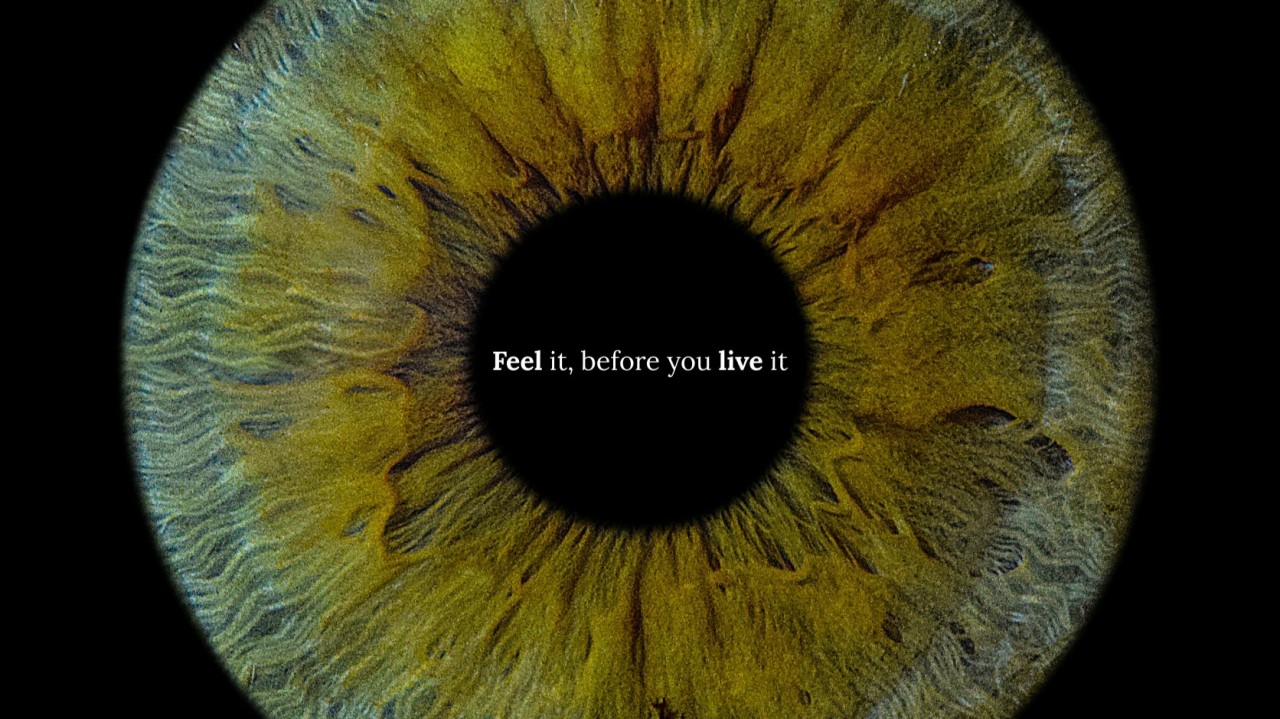
At Vivify, we call that Feel It Before You Live It™.